Building your first Minecraft house marks a turning point, it’s where survival meets creativity. Whether you’re piecing together a quick wooden shelter or constructing an elaborate fantasy mansion, the house you build says something about your playstyle. Minecraft house design has evolved massively since the early days of random cubes. Today’s builders blend function with aesthetic, pulling inspiration from real architecture, fantasy worlds, and pure imagination. This guide walks you through fifty distinct house ideas across five major building styles. You’ll find exact materials, design tips, and approaches that work whether you’re playing vanilla survival or building on a creative server. Let’s get into it.
Table of Contents
ToggleKey Takeaways
- A Minecraft in house design should prioritize function first—ensure you have a bed, storage, crafting station, and mob protection before focusing on aesthetics.
- Starting with simple rectangular or L-shaped layouts using basic materials like wood planks and cobblestone helps beginners finish their first house instead of getting overwhelmed.
- Fantasy, modern, and cultural house styles each demand different block palettes and design principles; choosing a theme upfront simplifies building decisions and improves visual results.
- Location scouting for proximity to mountains, water, and villages should happen before construction, as resource access directly impacts long-term survival and expansion potential.
- Specialized houses like underground bases, sky bases, and functional farms merge housing with gameplay optimization, allowing players to tailor their Minecraft in house build to their specific needs.
- Cultural architectural styles like Japanese temples and medieval castles teach proportion and color theory; studying real-world reference images and translating them into Minecraft’s blocky format creates stunning, story-telling homes.
Starter & Survival Houses
When you first spawn into a world, efficiency matters more than aesthetics. A solid starter house needs four things: a bed for safety, storage for resources, crafting and smelting stations, and mob protection.
The compact starter house is your MVP. Picture a 7×7 wooden structure with a crafting table, furnace, and double chest crammed into one corner. Add torches everywhere, mobs spawn in darkness, and you can’t afford that headache at night. Keep the walls simple: wood planks or logs on the outside, dirt or cobblestone for the interior. This style gets you through the first three in-game days without fuss.
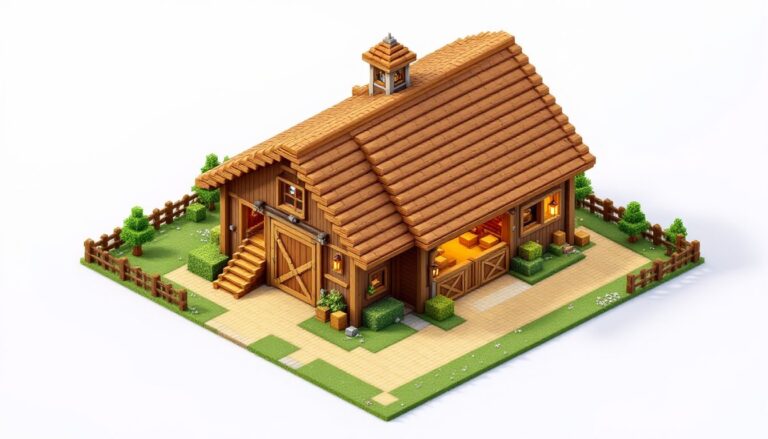
Plains and cottage designs offer a step up. These use a pitched roof (made with stairs and slabs) and a 10×10 footprint, giving you room for a kitchen area and a small storage room. The plains starter house typically features light-colored blocks like spruce or birch logs paired with white concrete or stone brick accents. Add a crafting nook near the entrance and a sleeping area toward the back.
Lakeside designs leverage terrain. Build partially into a hillside or along water, which gives you natural defense on one or two sides. Use the slope to create a lower storage floor and upper living space. This layout scales beautifully, start simple, expand horizontally or vertically as resources allow.
Key materials for starter builds: oak or spruce logs, wooden planks, cobblestone, dirt, glass panes, wooden door, and trapdoors. Skip fancy blocks like deepslate or dark oak early on: save those for later builds once you’ve secured iron tools. Beginners sometimes overthink design: stick to rectangular or L-shaped layouts to keep construction manageable. The best starter house is the one you actually finish.
Fantasy & Adventure Houses
Fantasy builds let you break the real-world rules. Think wizard towers, treehouses, floating islands, and skull-shaped bases. These designs reward creativity and aren’t restricted by practical constraints.
Treehouses and elven builds use leaves, dark oak wood, and vine blocks to create elevated sanctuaries. The aesthetic relies on organic shapes: wrap the trunk with spiral stairs, carve rooms into the canopy, and dangle bridges between trees. Use mossy stone bricks, andesite, and moss blocks for that ancient, overgrown feel. Add glowstone behind transparent blocks or use lanterns for ambient lighting, no harsh torches breaking immersion.
Wizard towers go tall and angular. Start with a stone brick or deepslate base, taper the structure as it rises, and cap it with a pointed spire made from stairs and slabs. Interior: spiral staircase winding to the top, bookshelves lining every wall, cauldrons, and brewing stands scattered about. Window placement matters, narrow slits on lower levels, wider arched windows near the top. The tower’s height makes it visible from your base, turning it into a landmark.
Floating islands demand terraforming. Carve out a landmass in the sky using dirt, grass, and stone, then hollow it underneath to create cavern rooms. Connect islands with bridges made of chain blocks, dripstone, or wooden planks. This style pairs perfectly with elytra exploration, your house becomes a waypoint for gliding runs.
Dragon and skull bases are pure personality. Carve the shape into a mountain or build it from scratch using colored concrete and wool. A dragon base might feature a head carved into a cliff with wings spreading across the landscape. A skull base uses white concrete for bone structure with dark blocks forming eye sockets. These aren’t just homes: they’re landmarks.
Fantasy blocks to stock: stone bricks (and mossy variants), deepslate, dark oak, colored glass, glowstone, lanterns, vines, and leaves. Redstone lighting (repeaters hidden behind trapdoors) creates that magical glow without visible infrastructure. Fantasy builds take time, expect to spend multiple play sessions on a single structure, but the payoff is a house that photographs well and tells a story.
Modern & Contemporary Builds
Modern Minecraft architecture copies real-world design: clean lines, minimal ornamentation, and functional aesthetics. If you’ve admired contemporary homes and want to replicate that style in-game, this is your lane.
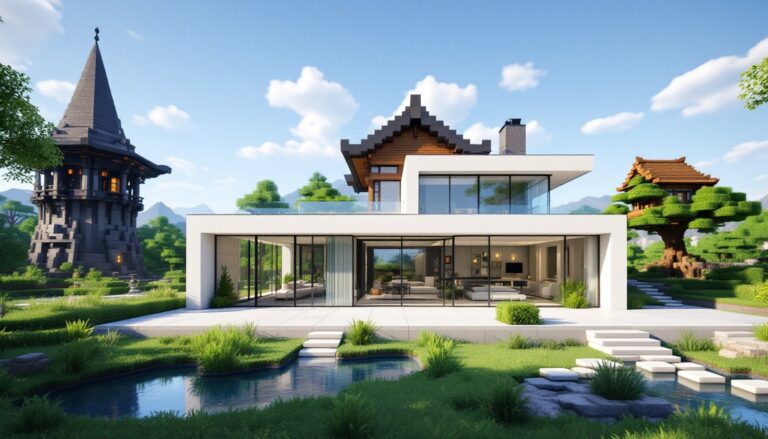
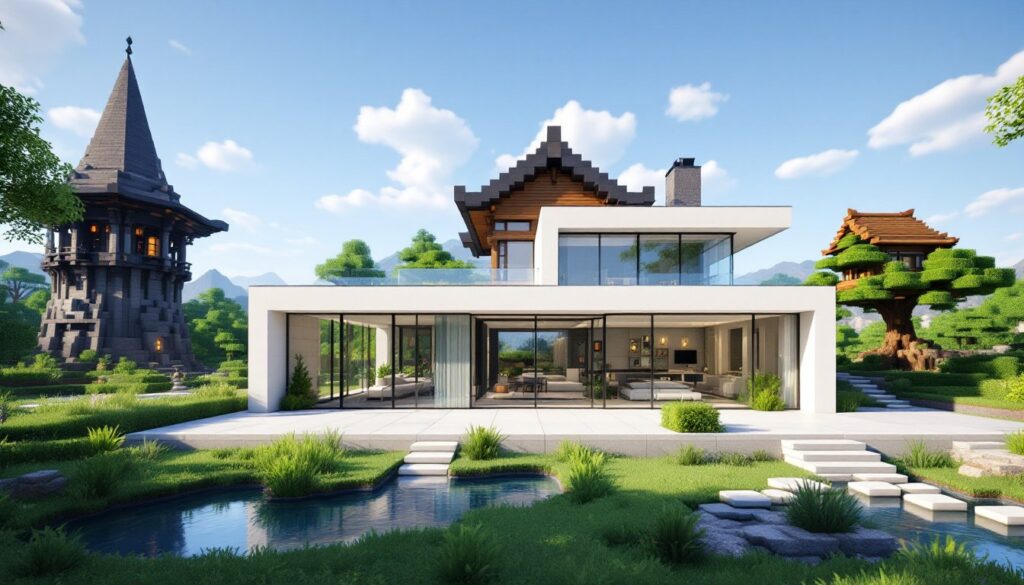
Modern houses prioritize open-plan living. Think large glass walls, flat roofs, and spacious interiors broken only by support pillars. Use white or gray concrete, quartz, tinted glass, and smooth stone as your core materials. Roof design matters, a perfectly flat roofline or a subtle slope created with concrete stairs defines the entire aesthetic.
Interiors leverage trapdoors, slabs, and stairs to craft furniture and built-ins. A kitchen counter is concrete with trapdoors for cabinet handles. Shelving is made from slabs and stairs creating depth. Beds become statement pieces with concrete or quartz framing. This modular approach means you can customize without adding visual clutter.
Sea lanterns and glow blocks provide sleek lighting. Embed them into floors or walls to illuminate without visible fixtures. Redstone doors hidden behind smooth stone walls, pressure plates concealed under carpeting, modern builds reward players who sweat the details.
A functional modern base often includes a separate garage (concrete floor, large door) and outdoor space (concrete patio, maybe a pool). The house itself sits on stilts or a concrete pad, separating the living space from the terrain. This elevation creates visual interest and defense, mobs can’t climb if you remove the ramp at night.
Common blocks: white concrete, light gray concrete, quartz, smooth stone, tinted glass (especially white-tinted), sea lanterns, glow blocks, and trapdoors. Modern builds look bare until you add detail, don’t rush. A perfectly executed modern house with thoughtful lighting and clean proportions beats a cluttered mansion every time. If you want inspiration, scan builds from servers focused on realistic architecture: the contrast between your survival house and a creative-mode masterpiece is instructive.
Specialized & Unique Homes
Not every house sits on flat terrain next to a village. Specialized homes adapt to Minecraft’s diverse biomes and serve dual purposes, shelter and function.
Underground bases tunnel into hillsides or mountains. Carve chambers for storage, farming, and crafting, leaving one central room as living space. Underground homes offer stealth and security: no mobs patrol deep caves if you light them properly. Build with deepslate, blackstone, and stone bricks to match the excavated terrain. Add wooden accents (doors, beams) to break up the monotony. Underground farms use glow berries or lanterns to grow crops without sunlight.
Sky bases sit hundreds of blocks above ground, accessible only by building a tower or using elytra. This approach is pure overkill for survival (why bother when ground level is safer?), but it’s visually stunning and defensible. Build on top of clouds or floating islands. Use platforms and railings to prevent accidental falls.
Biome-specific homes match their environment. A desert house uses sand, sandstone, and terracotta with warm tones, think clay brick colors. An ice biome house leverages blue ice, packed ice, and white concrete. A jungle house sits elevated among trees, using stripped logs and leaf blocks. An ocean house is either floating (docks, boathouses) or underwater (glass domes, air pockets). These styles demand you work with the biome rather than against it.
Functional bases merge housing with purpose. An auto-farm house has the farm integrated into the structure’s footprint, with the main living area suspended above or to the side. A storage-centric base is essentially a massive warehouse with a bedroom corner tucked somewhere. A villager trading hall is part house, part trading post, each villager gets a small office within a larger building. These builds are for players optimizing gameplay.
Choosing a location matters as much as design. Proximity to mountains (for ore), water (for farming), and villages (for trading) affects long-term survival. Don’t build your elaborate house on a tiny island if you need resources constantly. Scout before committing blocks.
Japanese & Cultural Houses
Cultural architecture brings real-world inspiration into Minecraft. Japanese design is especially popular because the blocky aesthetic suits it naturally.
Japanese starter houses use the temple aesthetic: peaked roofs made from deepslate stairs and slabs, creating that iconic curved silhouette. Mix dark oak and deepslate for the frame, then layer in white concrete or light gray concrete as walls, reminiscent of plaster in traditional homes. Add a red terracotta roof accent for the centerpiece. This style works beautifully in both survival and creative contexts.
Traditional Japanese homes emphasize wood lattice and paper walls. Recreate paper walls using white concrete or white wool framed by dark oak. Lattice windows are made from dark oak fence gates arranged in grids. Interior design is minimal: a few futons (beds), low tables (crafted from stairs and slabs), and lots of empty space. Japanese design says less is more.
Japanese gardens and ponds are as important as the house itself. Carve a small pond from the terrain, line it with stone slabs, and add stepping stones made from dark oak slabs. Plant dark oak trees, add bamboo, and place lanterns around the perimeter. Bridges arc over water, they’re functional and decorative.
Pagodas and temples expand the concept. A three-tiered pagoda uses progressively smaller roofs stacked on top of each other, each made from stairs and slabs. Interior is sparse, just a central staircase and small rooms on each level. These structures take time but photograph incredibly well.
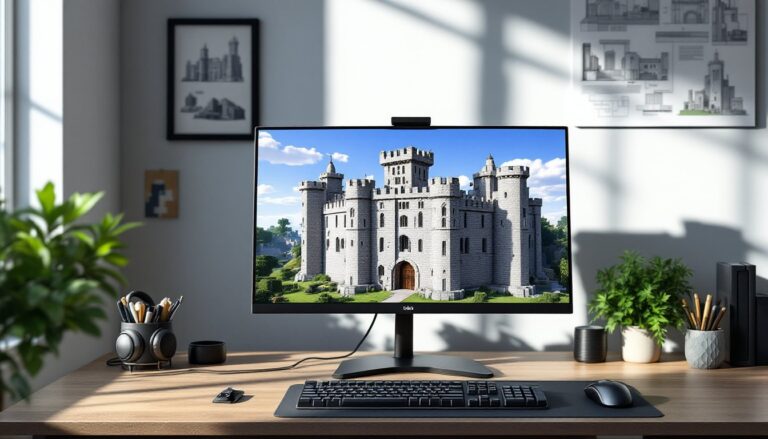
Medieval builds (another cultural style) use stone brick, dark oak, and arches. Think castles with watchtowers, keeps with battlements, and secondary structures like stables. A medieval starter house has timber-framing (dark oak logs on lighter walls) and a thatched roof made from hay bales or dark oak stairs. Add a small tower as an observation point, a ground-floor stable for animals, and a second-story sleeping area.
Other cultural styles include Nordic longhouses (stripped spruce logs, long pitched roofs, minimal windows) and Mediterranean villas (terracotta, white concrete, warm-colored wood like acacia, with arched doorways). Each style narrows your block palette, you’re committing to a theme, which actually simplifies building decisions. When you pick Japanese, every new block choice filters through that lens. That focus often leads to better-looking results than trying to blend aesthetics.
Cultural builds reward research. Study reference images of real architecture, then translate them into Minecraft’s blocky constraints. A peaked Japanese roof isn’t literally curved, it’s staircases arranged to suggest curvature. That translation process is where the fun happens. Jump into YouTube tutorials from builders like Nanairoid or browse community galleries for inspiration. Building a Japanese house in Minecraft teaches you about proportion, color theory, and how architecture tells cultural stories.
Conclusion
Minecraft house design ranges from quick survival shelters to elaborate cultural masterpieces. The best house for your world depends on your current playstyle: grab a survival starter if you’re just starting out, go fantasy if you want narrative and fun, modern if you like clean aesthetics, specialized if you’re optimizing, or cultural if you’re chasing inspiration.
Start building today. The only rule is that your house works for you, whether that’s pure function or pure art. Pick a style, gather materials, and begin. Every builder started with a dirt box.