Whether you’re a casual player dropping into Creative mode or a survival veteran planning your next fortress, minecraft builds are what separate a forgettable spawn point from an unforgettable base. The difference between a generic dirt hut and a stunning structure often comes down to knowing a few core techniques: using odd-number dimensions, texture variety, and thoughtful depth. This guide breaks down the essentials every minecraft builder needs to master, from your first home to advanced castles and monuments. You’ll learn practical strategies that work across all game modes and platforms, and more importantly, why they work. Let’s dig in.
Table of Contents
ToggleKey Takeaways
- Minecraft builds stand out when you master odd-number dimensions (3, 5, 7, 9 blocks), texture variety, and depth—techniques that prevent awkward gaps and create visual interest.
- Start every project with a simple modular box structure, then attach smaller sections for rooms; this prevents overwhelm and keeps large minecraft builds manageable.
- Add depth through recessed doors, framed windows with stairs and slabs, and proper structural supports beneath roofs—these details make structures pop without requiring advanced skills.
- Choose a limited block palette of 3–4 color combinations before building to avoid clashing materials and maintain cohesive aesthetics throughout your base.
- Organize functional buildings by purpose (storage halls, smelters, enchantment towers, farms) and connect them with custom paths to create both practical and visually stunning survival bases.
- Study reference images and real-world architecture to inspire your minecraft builds, then experiment with unusual blocks like composters and weathered copper to develop your personal building style.
Essential Building Techniques Every Player Should Master
The foundation of any solid minecraft building starts with shape and structure. Winners use odd-number dimensions, 3, 5, 7, or 9 blocks wide, to align centered doors, windows, and roofs perfectly without awkward gaps. It sounds picky, but it saves hours of frustration when symmetry actually matters.
Start every build with a simple box. One main rectangular shape, then attach smaller boxes for rooms and extensions. This modular approach keeps things manageable and prevents the overwhelming “where do I even start?” paralysis. Texture walls by mixing 2–3 similar-toned blocks instead of slapping down one flat material. Stone bricks paired with stone or cobblestone, for example, creates visual interest without clashing. Keep shades close so they blend naturally.
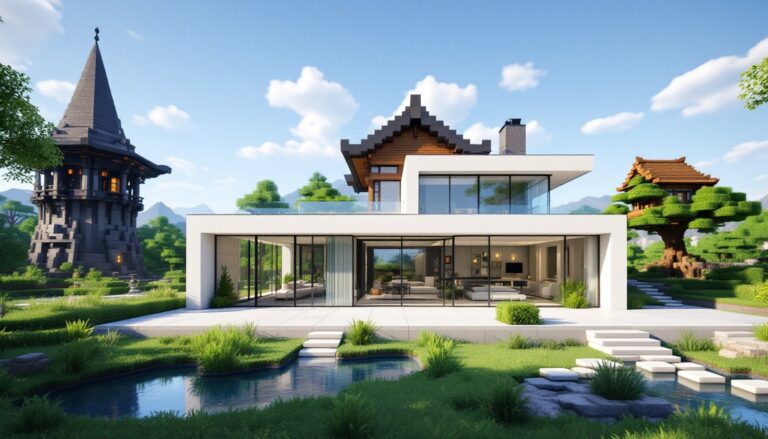
Depth is what separates “meh” from “impressive.” Recess doors one block inward, use stairs and slabs as frames around windows, and add trapdoors as trim detail. These small recesses catch light differently and make your structure pop. Don’t let roofs float unsupported, use fences, walls, or logs as proper structural elements underneath overhanging sections. Finally, landscape around your build with leaves, bushes, bone-mealed grass paths, and small water features. A stunning house surrounded by flat terrain still looks boring.
Designing Your First Minecraft Home
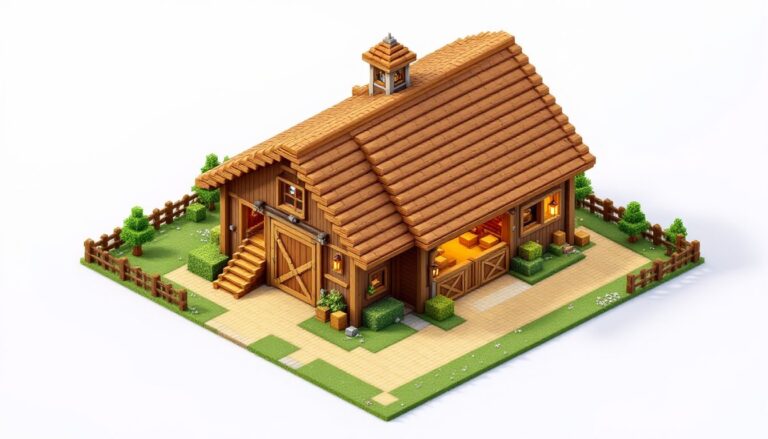
Your first permanent base doesn’t need to impress anyone. Start small and simple, then layer detail once the core structure stands. The survival essentials come first: crafting table, furnace, bed, and storage. Everything else is flavor.
Choose a limited block palette before you start. Test 3–4 color combinations on a small experimental build to avoid the painful realization halfway through that your crimson wood clashes with deepslate. Aim for walls around 5 blocks tall, tall enough to fit doors and windows comfortably, short enough to avoid looking like a tower.
Once the basic box is done, add atmosphere with a simple path leading to your door, maybe a few planters with flowers, and a small work area outside (like a wood chopping station). A minecraft castle seems intimidating, but every expert started exactly where you are: with four walls and a dream. The difference is they didn’t skip the texturing and detail work, and neither should you.
Advanced Structures: Castles, Temples, and Monuments
Building a minecraft castle or monument is where your foundation techniques shine. Large vertical structures can look flat and boring unless you intentionally break them up. Use gradients: darker blocks at the base, lighter toward the top. This makes tall walls feel more natural and less imposing.
Break up massive shapes with towers, buttresses (angled stone supports jutting from walls), and layered roofs. A 20-block-long flat wall is tedious to look at. Same wall with 3 towers, a stepped roofline, and varied stone textures becomes a landmark. Combine different stone variants and decorative blocks, stone stairs, slabs, and walls, but use restraint. Too many different blocks creates visual noise that hurts, not helps.
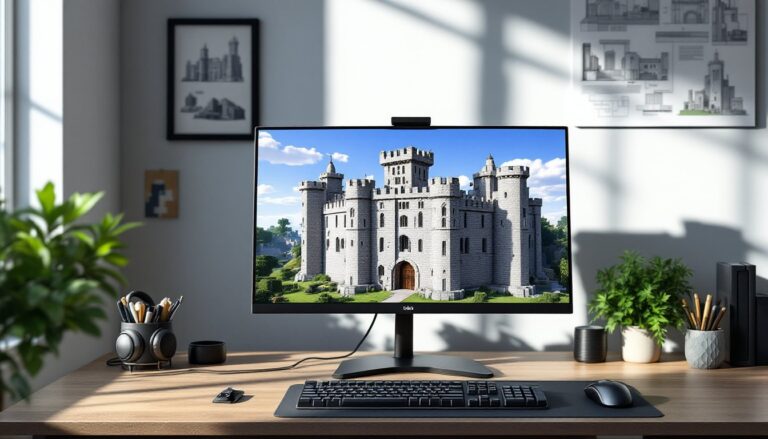
For a minecraft castle build specifically, interior organization matters as much as exterior style. Assign rooms clear purposes: throne room, armory, treasury, barracks. This forces you to think about realistic layouts and makes the whole structure feel lived-in. Minecraft pirate ships use similar principles, varied deck heights, rigging details, and asymmetrical silhouettes make them memorable rather than generic boxes.
Functional Builds for Survival and Adventure
A beautiful base falls apart if it doesn’t work for actual survival. Create themed buildings for each activity: a storage hall for all your chests, a dedicated smelter with furnaces arranged logically, an enchantment tower with bookshelves arranged in complete sets, and separate areas for farms. This organization is both practical and stunning visually.
Connect these buildings with custom paths. Stone brick paths or wooden walkways linking your farms, mines, and nether portals create cohesion and guide players naturally around your base. Use hidden light sources behind trapdoors, leaves, or glass blocks to keep areas safe without visible torches everywhere, this maintains atmosphere while preventing hostile spawns.
Consider floating islands for branch mining or mob farms. Floating structures often inspire unique interior layouts and look stunning from distance. The key: make sure each structure has a purpose, not just aesthetics.
Tips for Finding Inspiration and Improving Your Style
Don’t copy, but absolutely reference. Gather 5+ reference images and concept sketches before big projects. Study other builders’ worlds and real-world architecture, medieval cities for castles, brutalism for modern builds, Japanese gardens for landscaping. Study why certain choices work, then adapt them to your own style.
Experiment with unusual blocks for unexpected results. Composters, hay bales, and dark oak leaves make interesting roofing textures. Weathered copper adds patina and age to stone structures. Smooth quartz works beautifully for sleek, futuristic builds, while combinations of stone variants suit medieval themes. The more you play with textures, the more your personal style emerges.
Join building communities online. Platforms like Twinfinite feature building guides and inspiration galleries. Many builders share world downloads showing their process. Watching skilled players work is one of the fastest ways to level up your own technique. Don’t rush, building is progression, not a race.
Conclusion
Great minecraft builds come down to planning, limited palettes, depth through layering, texturing with multiple blocks, and thoughtful landscaping. These aren’t flashy tricks, they’re the fundamentals that separate amateur structures from memorable bases. Start simple, master the basics, then push complexity gradually. Your next build will be better than the last one, guaranteed.