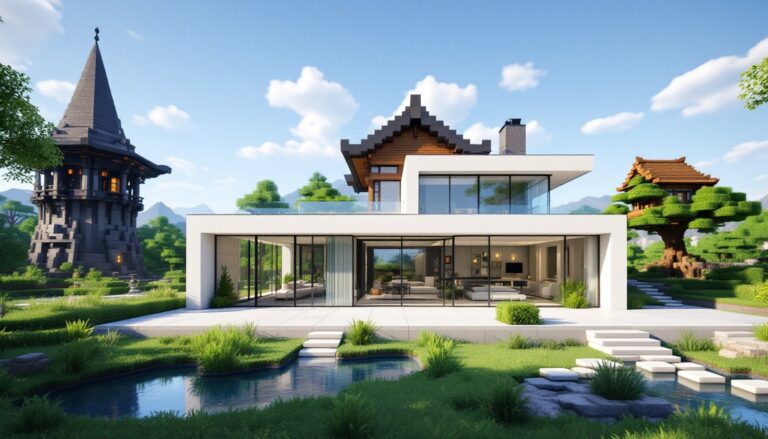
If you’re tired of spawning into generic terrain and want to experience something truly unforgettable, Minecraft seeds are your ticket. A seed is essentially a code that generates your entire world, mountains, rivers, villages, everything. The best part? Every seed creates a different landscape, meaning the possibilities are endless. Whether you’re hunting for rare biomes, planning your mega-base, or grinding through a speedrun, the right seed can transform your entire gameplay experience. Let’s dig into what makes certain seeds legendary and how to find your perfect match.
Table of Contents
ToggleKey Takeaways
- Minecraft game seeds are numerical codes that determine world generation, allowing players to share identical worlds and plan strategies around known terrain, biomes, and structure locations.
- The best Minecraft seeds for exploration combine multiple rare biomes—such as cherry groves, lush caves, and mountain ranges—within reasonable travel distance from spawn.
- Survival players should prioritize seeds with clustered villages near spawn points, especially when paired with temples or strongholds, to accelerate early-game resource gathering and economy development.
- Competitive speedrunners and challenge players optimize Minecraft seeds by calculating exact distances to critical structures like strongholds (ideally within 2,000 blocks of spawn) and ensuring access to early-game loot.
- Using seed preview tools like MineAtlas and Seeds.gg lets you scout terrain and structure locations before world creation, saving hours of wasted exploration time.
- Both Java and Bedrock editions support Minecraft game seeds, but seed codes differ between versions, so always verify which edition your chosen seed targets.
What Are Minecraft Seeds and Why They Matter
A Minecraft seed is fundamentally a numerical code that acts as an instruction set for world generation. Think of it like a blueprint, input the same seed, and you’ll get identical terrain every time, whether you’re playing on Java or Bedrock edition. This consistency is crucial because it lets players share specific worlds and plan strategies around known structures.
Seeds determine everything: mountain heights, biome placement, where villages spawn, the location of dungeons and strongholds, ocean monuments, temples, even the exact distribution of trees and ore deposits. This isn’t random chance: it’s algorithmic precision. Without seeds, comparing strategies or recreating someone else’s world would be impossible.
Why does this matter to you? Because a well-chosen seed can cut hours off your survival grind, provide stunning vistas for building projects, or give competitive players the structural advantages they need. You’re not just playing a world: you’re choosing the world itself.
Top Seeds for Exploration and Unique Biomes
Exploration enthusiasts live for seeds that pack multiple rare biomes, dramatic terrain variation, and jaw-dropping visuals into a compact area. Resources like seed databases and map viewers let you preview terrain before committing to a world, so you’re not wasting time spawning into flat wastelands.
The best exploration seeds typically feature a mix of cherry groves, lush caves, deep dark chambers, and sprawling mountain ranges all within reasonable travel distance. Look for seeds that combine at least two or three distinctly different biomes near spawn, that’s what separates the forgettable seeds from the ones players bookmark and share.
Mountain and Peak Destinations
Mountain seeds dominate competitive seed rankings because high terrain is valuable real estate. Jagged peaks, exposed ore veins, and dramatic cliff faces create natural drama and practical advantages. Seeds with mountains reaching Y-level 200+ near spawn are gold because they offer unobstructed views and defensible high ground.
When hunting mountain seeds, check for tall range clusters adjacent to valleys or open plains. The contrast between elevation changes makes for both stunning scenery and functional build sites. Many players use mountain seeds specifically for end-game megabases where visibility and architectural impact matter most.
Villages and Survival Structures
Survival players know that villages aren’t just scenery, they’re economy hubs. A seed with multiple villages clustered near spawn, especially paired with temples, strongholds, or ocean monuments, accelerates your early game dramatically. You’re looking at instant access to food, tools, emeralds, and shelter.
The meta for survival seeds involves identifying which structures spawn closest together. A village with a blacksmith near a nether fortress portal, for example, is a seed goldmine. Tools like Chunkbase let you scan the entire structure map before loading your world.
Best Seeds for Building and Creative Projects
Builders need seeds that deliver aesthetic value and practical terrain. That means flat-to-rolling plains for mega-bases, dramatic coastlines for waterfront builds, or isolated islands for custom projects where terrain won’t interfere.
The most sought-after building seeds feature layered landscapes, think a sprawling plain with a mountain backdrop, a river cutting through valleys, or a coastline where land meets ocean on visually interesting gradients. These natural features become part of your build’s appeal rather than obstacles to overcome.
Creative players often use Minecraft’s latest updates to maximize their seeds’ potential, incorporating new blocks and mechanics into terraformed landscapes. The right seed becomes a canvas: poor seed choice wastes hours on terrain clearing before you can build anything interesting.
Seeds for Speedrunners and Competitive Players
Competitive Minecraft (whether speedrunning or challenge-based) demands mathematical precision in seed selection. Players optimize for: distance to structure spawn (especially the nearest stronghold), quality of early-game loot, nether fortress proximity, and respawn point safety.
Speedrun-viable seeds typically have a stronghold within 2,000 blocks of spawn, a lava pool for quick nether access, and sufficient overworld resources to build a rudimentary base and gather supplies. The meta shifts with patch updates, new versions change structure distribution, so seeds valid in one patch may be suboptimal in the next.
Top competitive players use seed maps to calculate exact routes before claiming a time. They’re not hoping for luck: they’re executing a predetermined plan that works only with that specific seed. If you’re pushing competitive times, seed selection isn’t optional, it’s half your strategy.
How to Use Seeds to Start Your Perfect Game
Using a seed is straightforward, but precision matters. Follow these steps:
- Create a new world in your Minecraft launcher.
- Open “More World Options” to access advanced settings.
- Locate the “Seed for the World Generator” box and enter your chosen seed code.
- Note that capitalization matters, enter the seed exactly as provided (though many seeds work either way).
- Select “Create New World” and your seeded world spawns.
Both Java and Bedrock editions support seeds, but the seed codes themselves differ between versions. A Java seed won’t produce identical terrain in Bedrock, so always verify which edition your chosen seed targets.
Once you’re in-world, consider exploring Minecraft Fabric mods to enhance your seeded experience. Mods can add new structures, improve terrain generation, or optimize your gameplay without altering the core seed data. Many players combine curated seeds with light modding to create their perfect environment.
Seed tools like MineAtlas and Seeds.gg offer visual mapping before world creation, letting you scout spawn areas, identify nearby structures, and plan your first day strategy. Serious players always preview before committing.