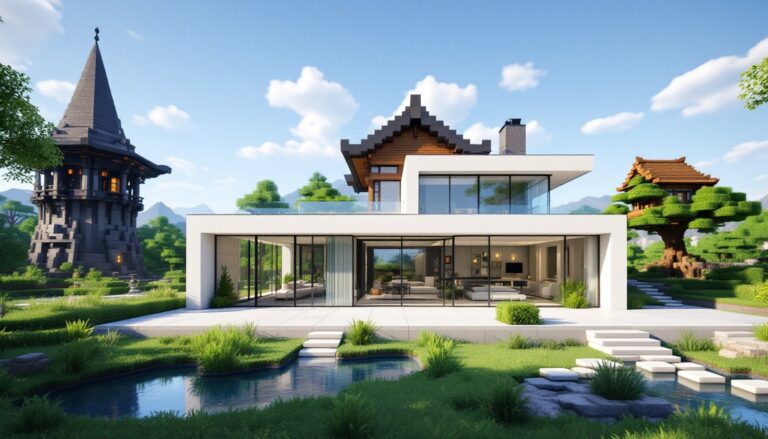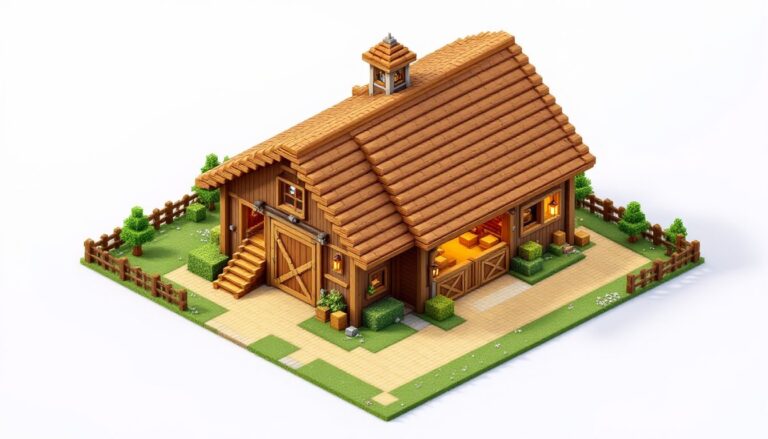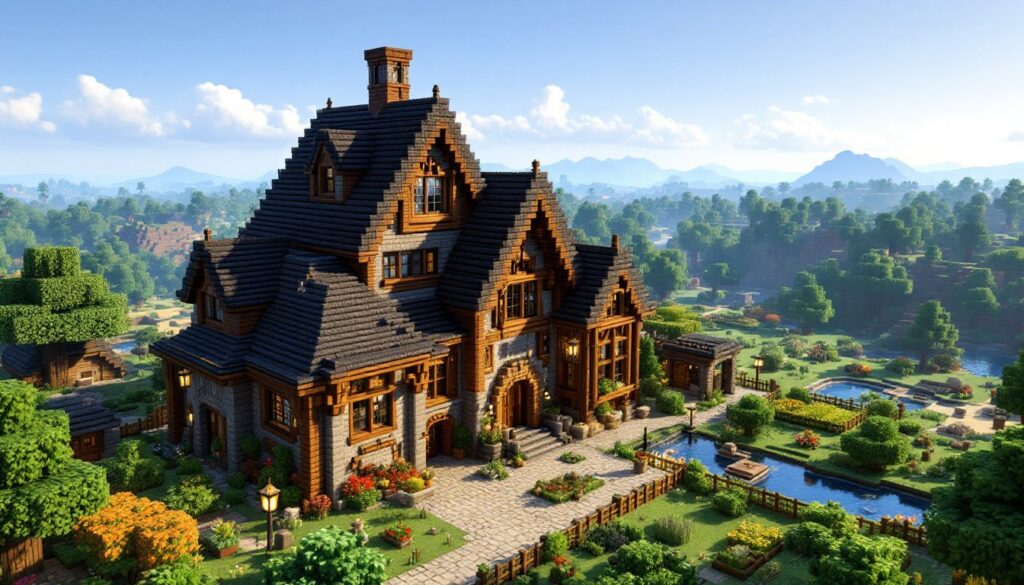
Building a Minecraft house is one of the most rewarding parts of survival mode, whether you’re creating a cozy starter home or an elaborate mansion. But the difference between a bland box and a standout minecraft house comes down to planning, material choices, and smart design decisions. This guide walks through everything needed to construct a functional, visually impressive minecraft house that’ll serve as a base for all your adventures. From location scouting to adding those final decorative touches, each step matters.
Table of Contents
ToggleKey Takeaways
- A successful minecraft house starts with location scouting—choose flat terrain near villages or your spawn point, light the site with torches to prevent mob spawning, and mark it with a pillar or beacon to avoid getting lost.
- Master material selection by combining wood, stone variants, and decorative blocks; mix different log types, stone bricks with cobblestone, and use stripped logs to create visual depth and break up flat surfaces.
- Design your minecraft house with vertical interest by varying ceiling heights, creating multi-level layouts, and building gable or A-frame roofs with overhangs rather than flat, boring designs.
- Organize interior spaces functionally—group crafting and smelting near your mining entrance, dedicate a room to labeled storage chests by material type, and place your enchanting table surrounded by 15 bookshelves for maximum effectiveness.
- Enhance your exterior with landscaping and small details like pathways, custom bushes, water features, fenced animal pens, and scattered decorative blocks (grindstones, composters, barrels) that make your build feel lived-in and intentional.
Choosing Your Minecraft Building Location and Terrain
Location makes or breaks a minecraft house project. Pick a spot that’s practical first, pretty second.
Flat terrain like plains and savannas is ideal for new players, no terraforming required. Forests offer abundant wood and natural cover, which cuts down on hostile mob spawns around your base. Mountains and cliff faces work for scenic builds, but expect more excavation work. Coast and ocean biomes give access to fishing, kelp, and unique building materials, though building over water adds complexity.
Safety matters. Light up your building site with torches and lanterns to prevent mobs from spawning nearby during construction. Build at least a few blocks above ground, not only does this look better than a flat ground-level base, it also reduces mob encounters. Avoid deep caves beneath your plot and flat-top mountains where creepers can sneak up.
Placement near your spawn point, nether portal, or a village keeps travel times short. Villages offer free beds, crops, and trading opportunities, making them excellent neighbors. Scout nearby biomes too, you’ll want easy access to diverse materials as your mc house grows.
Practical tip: Mark your location with a pillar or beacon so you never lose it in a sprawling world. Death in Minecraft happens: knowing exactly where to respawn saves hours of wandering.
Essential Building Materials and Where to Find Them
Every great minecraft house minecraft house relies on a solid material foundation. Wood is your first go-to, all overworld tree types (oak, spruce, birch, jungle, acacia, dark oak, mangrove, cherry) drop logs. Strip them and mix planks, slabs, and full logs for visual variety in walls and frameworks. Don’t underestimate stripped logs: they create clean vertical lines that break up flat surfaces.
Stone variants are equally crucial. Mine stone blocks from caves and underground, then smelt cobblestone in a furnace for smooth stone. Craft stone into stone bricks for a more polished look. Andesite, diorite, and granite spawn naturally in caves and mountains, mixing these with cobblestone adds color variation without clashing.
Glass is essential for windows. Smelt sand from beaches or deserts in a furnace to craft glass blocks. Clay harvests from riverbeds: smelt clay in a furnace to create terracotta, then dye it for custom colors. Concrete is harder to spot, craft sand plus gravel plus dye, place the concrete powder, then hydrate it with water.
Metal blocks matter for function and flair. Iron spawns in caves and can be smelted for iron blocks, used in anvils, lanterns, and cauldrons. Copper ore appears in caves and oxidizes over time, creating beautiful roofing with patina effects. Lapis lazuli, found deeper underground, is crucial for enchanting.
Wood, Stone, and Decorative Blocks
Wood serves as your framework and interior backbone. Logs, planks, stairs, and stripped logs layered together create depth and texture. Stone is your foundation and exterior support, combine cobblestone, stone bricks, andesite, and similar neutral blocks to avoid a flat color palette.
Decorative blocks elevate any mc house above basic survival mode. Fences and walls create railings, pens for animals, and visual boundaries. Stairs and slabs function as chairs, tables, and fine detailing. Trapdoors add dimension to roofs and walls. Lanterns, campfires (extinguished ones work as roof texture), and hanging chains provide lighting and visual interest. Item frames, paintings, and signs let you personalize rooms. Flower pots with flowers, leaves on logs creating custom bushes, and hanging vines add life to exteriors.
Designing Your House Layout and Structure
Before placing a single block, sketch out your minecraft house layout. Start with a simple footprint, rectangle, L-shape, or multiple connected modules work well. Consider your immediate needs: bed, furnaces for smelting, crafting table, storage for ore and materials, and room to expand.
Grouping related functions saves steps. Place your crafting and smelting area near your mining entrance. Stack storage chests in one room and organize by material type, ores, wood, building blocks, and miscellaneous loot. Keep your enchanting table near the storage room so books and lapis are within reach.
Multiple floors or split levels maximize limited space and reduce walking distance between stations. A two-story house is more interesting than a sprawling single level and easier to navigate. Plan an expansion space now, you’ll want a separate enchanting room, potion brewing station, and villager trading hall as your base grows.
Vertical interest prevents the dreaded “floating box” look. Vary ceiling heights between rooms. Some tall, some cozy: the contrast keeps the eye engaged. Rooflines matter too, a flat roof screams unfinished. Break it into sections and vary the heights.
Foundation, Walls, and Roof Techniques
A strong foundation literally and aesthetically anchors your house. Raise your floor 1–2 blocks above natural ground level using stone blocks. This creates shadow and depth, instantly making your build feel intentional rather than slapped-down.
Walls need texture and rhythm. Place vertical pillars, logs or stripped logs work, every 4–6 blocks. Recess windows and doors inward by 1–2 blocks so they aren’t flush with the surface: this depth reads as crafted, not lazy. Mix stone variants (cobblestone, stone bricks, andesite) in random patterns rather than in clear stripes, the irregularity feels natural.
Roofs are where amateur builds falter. A flat roof is boring: gable, hip, A-frame, and multi-level roofs add sophistication. Use stairs, slabs, and trapdoors to create slopes and overhangs. Vary the roof height across different sections of your house, don’t keep it uniform. A peaked center with lower wings looks far better than one monotonous slope. Overhang the eaves slightly to add shadow detail.
Interior Design and Room Functionality
Inside, every room serves a purpose. Your entry or crafting area is the hub, stock a crafting table, furnaces, and a blast furnace if you’ve progressed far. Place a basic storage chest here for miscellaneous items.
A dedicated storage room is worth its weight in diamonds. Use labeled chests, barrels, or hoppers to organize ore, metals, gems, wood, and building blocks by type. Basements work well: the room stays cool visually and keeps clutter out of sight.
Your bedroom isn’t just vanity. Place a bed here for obvious reasons, but also store a full set of armor on an armor stand and keep personal valuables separate from communal storage. This room is your safe space if you die and respawn.
An enchanting room becomes essential mid-game. Place an enchanting table with 15 bookshelves arranged 1 block away in a perimeter (or surrounding it on shelves). Use 30+ Minecraft Kitchen Ideas for inspiration on function-first room layouts that still look polished.
Furniture and decor transform empty rooms into lived-in spaces. Stairs and slabs serve as chairs, tables, and shelves. Carpets over blocks hide unseemly glowstone or sea lanterns used for hidden lighting. Bookshelves, item frames displaying tools, and paintings add personality. Hanging chains, lanterns, and signage clearly label each room’s purpose. As you progress, potion brewing stations, villager trading halls, and crop farms integrate into your build naturally, don’t hide them away.
Adding Style With Landscaping and Exterior Details
The area immediately surrounding your mc house matters as much as the build itself. Pathways guide visitors and protect grass from trampling. Gravel, cobblestone, stone bricks, rooted dirt, or the path block (created by shift-clicking grass with a shovel) create natural-looking routes to your door, mining entrance, and any external farms.
Plants bring color and life. Custom bushes using leaves on logs, scattered flowers from different biomes, and intentional crop gardens blend survival function with aesthetics. Trees (custom or natural) provide vertical interest and scale. Vines cascade down walls for organic texture. Minecraft Villager House: Complete Guide shows how to design exterior spaces that attract NPCs while looking intentional.
Water features add sophistication. Small ponds, waterfalls, or streams edged with slabs, stairs, and vegetation create focal points. Sugar cane and bamboo naturally grow along water and look great as decorative elements.
External structures tie everything together. Fenced animal pens keep mobs contained. A mine entrance with log supports and cobblestone framing looks intentional rather than hazardous. Lanterns mounted on fence posts or chains light pathways safely. A small farm near your house serves as both function and decoration, rows of crops or bee farms look appealing and provide essential resources. For comprehensive base-building inspiration, many builders reference practical base construction guides that combine survival efficiency with visual appeal.
Small details compound. Grindstones, composters, barrels, and anvils scattered around the exterior indicate an active, lived-in base. Hanging signs and item frames displaying your best tools or trophies personalize the space. Rooted dirt, moss blocks, and cave vines (all relatively recent additions) blend your build into surrounding terrain naturally instead of making it look like an alien structure dropped into the landscape.