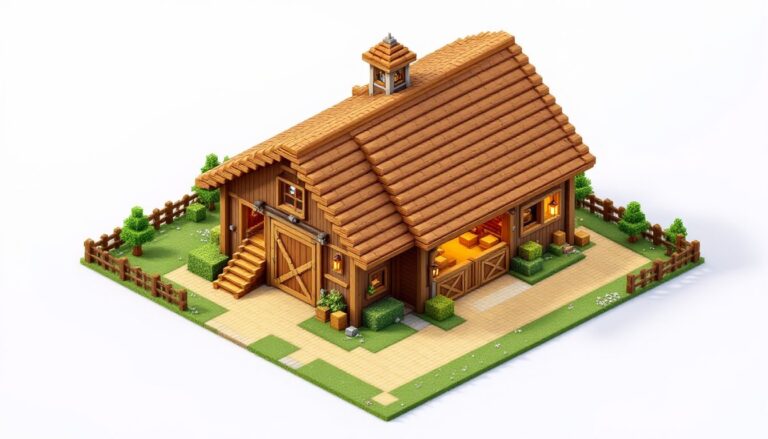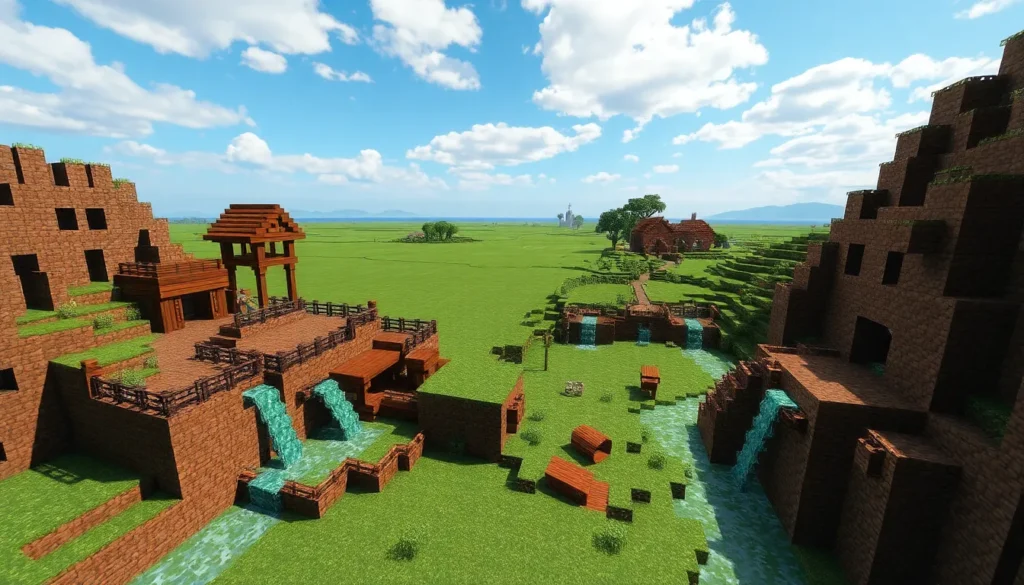
In the pixelated realm of Minecraft, iron is more than just a shiny metal; it’s a lifeline for survival and creativity. Imagine having an endless supply of iron at your fingertips, all without the back-breaking work of mining. Enter the iron farm, a magical contraption that turns villagers and zombies into your personal iron-generating minions. Who wouldn’t want to sit back, relax, and let the iron rain down while sipping a virtual smoothie?
Overview of Minecraft Iron Farms
Iron farms in Minecraft serve as efficient structures for producing iron ingots. These farms typically rely on combining villagers and hostile mobs, particularly zombies, to create a renewable iron supply. Players utilize the mechanics of the game to automate the iron generation process.
Constructing an iron farm involves several key components. Firstly, a platform for spawning iron golems is necessary, as these entities drop iron upon defeat. Players need to ensure that enough villagers reside within a specific radius to trigger golem spawning. Zombies play a crucial role by scaring the villagers, prompting them to spawn golems for protection.
Efficient designs feature water streams or lava to transport and eliminate golems. Such structures maximize iron drops, ensuring a steady flow of resources. Some advanced farms even integrate redstone mechanisms to enhance automation further, allowing for easy collection of iron ingots.
In terms of location, building an iron farm near a village or in a plains biome often yields favorable results. The game’s mechanics dictate that iron golems spawn within a certain distance of villagers, making strategic placement essential. Additionally, players can create multiple spawning platforms to increase production rates.
Maintaining the iron farm requires consideration of lighting and mob spawn prevention. Ensuring the area around the farm is sufficiently lit prevents unintended hostile mob spawns. This aspect contributes to the overall efficiency of the iron farm, allowing for uninterrupted iron production.
Players enjoy the benefits of an iron farm, allowing them to focus on other activities while their farm generates resources. With proper planning and execution, these farms become integral to any player’s survival strategy.
Benefits of Building an Iron Farm
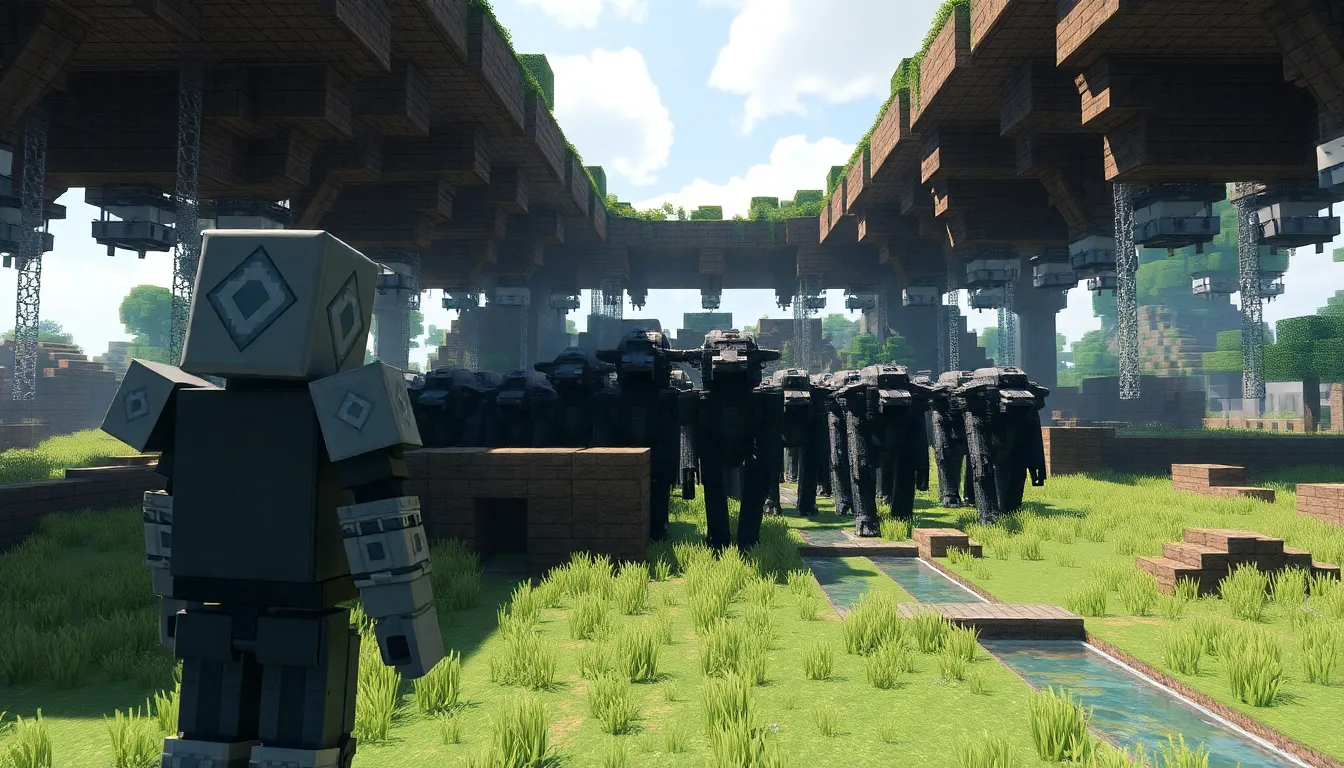
Building an iron farm in Minecraft offers numerous advantages. Players gain access to a reliable source of iron without the long hours typically spent mining.
Resource Efficiency
Iron farms optimize resource usage effectively. Players create iron ingots by combining villagers and zombies, generating significant quantities of iron effortlessly. Each iron golem drops an average of 3-5 iron ingots upon defeat, helping players accumulate materials for tools, armor, and other necessities. Establishing an iron farm near villages or in plains biomes enhances efficiency, ensuring maximum spawn rates. By minimizing the need for mining, players divert time and energy to explore, build, or undertake projects, ultimately fostering a more enjoyable gaming experience.
Automation and Time-Saving
Automation plays a crucial role in iron farms. The structures continuously spawn iron golems, allowing for a steady production of iron ingots. Utilizing redstone mechanisms increases efficiency and minimizes manual tasks. Players can set up collection systems with water channels or hoppers, saving hours otherwise spent gathering resources. While the farm operates, players can engage in other activities, such as crafting or exploring, without interruption. The time saved through automation transforms gameplay, making iron farms vital in a player’s survival strategy.
Types of Iron Farms
Different designs exist to enhance iron generation in Minecraft. Players often choose between basic and advanced iron farm designs, each with unique features and efficiency levels.
Basic Iron Farm Design
Basic iron farms utilize simple mechanics to produce iron efficiently. Typically, they consist of a small platform where villagers and zombies interact. Villagers, placed close together, trigger iron golem spawns when frightened by the nearby zombie. This farm design requires minimal materials and setup, making it accessible for new players. Each golem drops 3-5 iron ingots after defeat. Water streams guide the golems to a collection area, ensuring a steady supply of iron ingots without requiring extensive effort or resources.
Advanced Iron Farm Design
Advanced iron farms incorporate intricate mechanisms to maximize iron production. These designs often feature multiple layers to increase golem spawning rates. Players implement more sophisticated redstone circuitry to automate collection systems, ensuring that resources are gathered continuously. Each iron golem drops the same amount of iron ingots, but advanced setups produce them rapidly and efficiently, providing larger quantities over time. Building these farms in optimal locations, such as near villages, enhances spawn rates further. Each design showcases creativity while maintaining functionality, appealing to players looking for efficient resources.
Key Components of an Iron Farm
An effective iron farm relies on several crucial components that work together to maximize iron production.
Villagers and their Roles
Villagers serve as the primary catalysts for iron golem spawning. Each farm requires at least three villagers to function efficiently. By placing villagers within a defined area, players encourage them to interact and increase golem generation. Villagers must also be protected, as their panic triggers golem spawns designed to guard them. In most designs, beds are used for villagers to establish a home, ensuring their continual presence. Properly situated villagers within the farm environment greatly enhance the likelihood of iron golem appearance.
Zombie Mechanics
Zombies play a significant role in the functionality of iron farms. As hostile mobs, they instinctively scare villagers, prompting them to summon golems for safety. This mechanic forms the backbone of many iron farm designs. Players often place zombies in a secure location, ensuring villagers remain frightened without direct harm. Working in tandem with villagers, zombies maintain a steady flow of golem spawning. Utilizing name tags prevents zombies from despawning, ensuring their permanence within the farm. Overall, their inclusion is critical in sustaining an efficient iron production system.
Tips for Successful Iron Farm Construction
Successful iron farm construction relies on optimal choices in location and design. Players must prioritize these aspects to enhance efficiency.
Location Selection
Selecting the right location significantly impacts iron farm productivity. Building an iron farm close to a village or within plains biome increases the chances of iron golem spawns. Villagers facilitate golem production, and their proximity to spawning platforms ensures higher rates. Avoid placing farms near other spawning areas to reduce competition for hostile mob spawns. Maintaining a flatter terrain also eases construction and development. Consider natural light exposure to support a safe environment for villagers while preventing unwanted hostile mobs. Players gain the most benefit by situating farms in easily accessible areas, allowing for efficient management and monitoring.
Design Considerations
Effective design plays a critical role in iron farm functionality. Players should incorporate a spawning platform that meets the required height and space for iron golems. A minimum of three villagers creates an effective spawning mechanism, while a secure zombie placement keeps golems spawning consistently. Adding water streams or lava falls transports defeated golems efficiently to collection points. Redstone mechanisms can optimize automation, streamlining the iron collection process. Ensure adequate lighting around the farm, as this prevents other hostile mob spawns. Prioritizing these design elements fosters a reliable and efficient iron production system, allowing players to gather resources with minimal effort.
Building an iron farm in Minecraft offers players a strategic advantage in resource management. By automating iron production, they can focus on creativity and exploration without the grind of mining. Whether opting for a basic design or a more advanced setup, the key lies in understanding the mechanics involving villagers and zombies.
With careful planning and optimal placement, players can create efficient farms that yield a steady supply of iron ingots. This not only enhances gameplay but also opens up opportunities for larger projects and adventures. Embracing the iron farm concept transforms the way players gather resources, making it an essential element of any successful survival strategy.