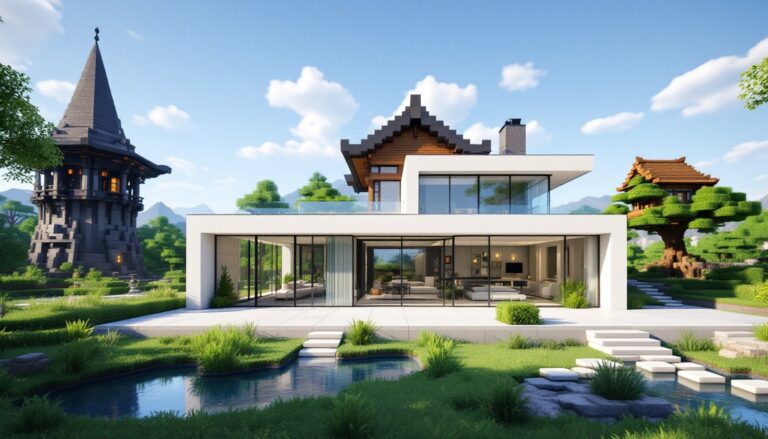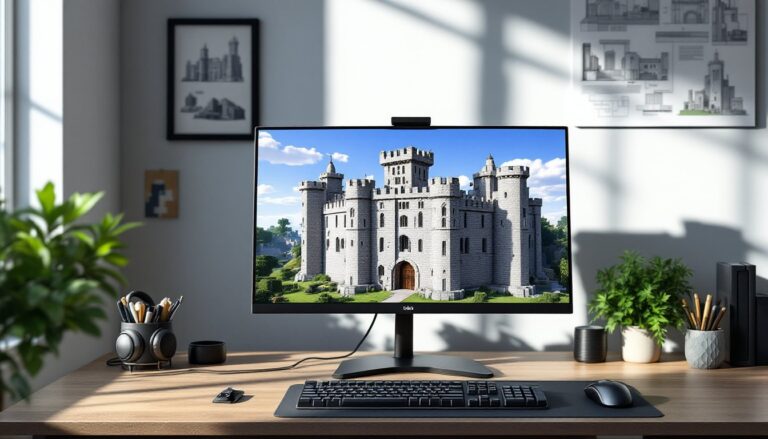
Building a Minecraft house is more than just throwing up walls and calling it done, it’s about creating a space that reflects your playstyle, matches your world’s aesthetic, and actually functions when you need it. Whether you’re huddled in a starter survival shelter on Day 1 or designing a sprawling luxury estate, the stakes feel real. This guide covers everything from compact survival builds and rural farmhouses to fantasy castles, modern minimalist homes, and mind-bending underground bases. You’ll find inspiration for nearly every biome and skill level, plus practical tips to elevate your designs from functional to genuinely impressive.
Table of Contents
ToggleKey Takeaways
- A Minecraft house should reflect your playstyle and world aesthetic, ranging from functional survival shelters to luxurious estates depending on your game progression and design goals.
- Starter survival houses work best with compact designs using oak wood, spruce, and cobblestone—prioritize a bed, crafting table, furnace, and torches over elaborate aesthetics to survive your first night.
- Farmhouses and rural builds combine living spaces with agricultural production, using earthy materials like stone brick and wooden slabs to anchor your operation with dedicated zones for sleeping, crafting, storage, and crop irrigation.
- Medieval and fantasy Minecraft houses gain authenticity through asymmetrical designs, layered materials, and decorative details like hanging lanterns and campfires—avoid symmetry to create character that feels alive.
- Modern luxury homes emphasize clean lines and open spaces using glass panels, white concrete, and 2-3 coordinated colors, with hidden functionality that blends chests, furnaces, and crafting stations into intentional design.
- Unique builds like underwater bases, treehouses, and underground chambers offer creative alternatives by using specialized techniques such as water removal with doors or sponges, natural tree integration, and multi-level chamber branching for defensibility and atmosphere.
Starter Houses For Survival Mode
When you first spawn into a new world, your priority is simple: don’t die. A starter house doesn’t need to be fancy, it needs to be fast and functional.
The best starter houses focus on compact design using readily available materials like oak wood, spruce logs, and cobblestone. Most early-game builds include a bed (your respawn point), crafting table, furnace, and 2-3 chests for basic storage. You’ll want a door (obviously) and basic torch lighting to prevent mobs from spawning inside.
Plains biomes are your best bet for starter locations, flat terrain means zero excavation, and you’ll have immediate access to animals for food and wool, plus fields for crops. A simple rectangular 5×7 wooden structure with a sloped roof works great. Add a small animal pen outside using wooden fences and you’ve got food production handled.
The key is starting small and expandable. Your first night’s shelter might be just 4 walls and a door, then upgraded within a few Minecraft days into something more organized. Once you’ve got basic materials flowing and haven’t starved, then you worry about aesthetics.
Farmhouses And Rural Builds
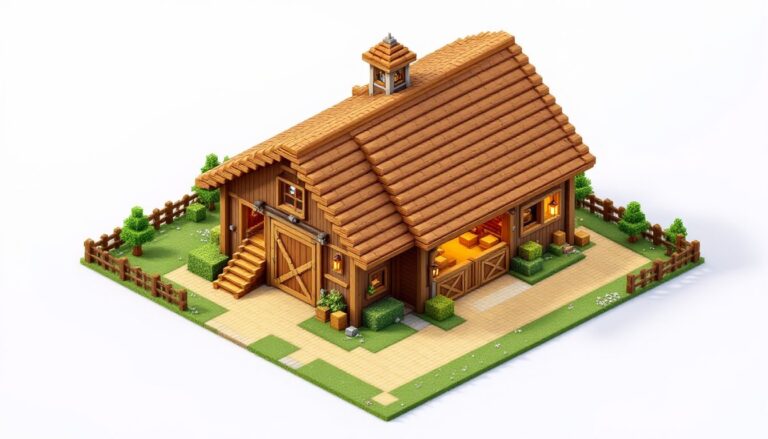
Once survival is stable, many players evolve into farmhouse builders who combine living space with agricultural production. A proper farmhouse anchors your whole operation, it’s where you sleep, craft, and organize resources.
Rural builds typically feature multiple structures: a main farmhouse for living, a separate barn for animals, storage silos, and sprawling crop fields laid out in neat rows. Materials feel earthy, lots of oak wood, stone brick, fences, wooden slabs, and stairs for visual depth. A sloped roof using stairs or slabs gives farmhouses character that flat roofs can’t match.
The farmhouse interior needs dedicated zones: a sleeping area, crafting station, furnace room, and expansive storage. Many builders attach animal pens directly to the barn for easy access, then create separate crop zones with water channels for irrigation. Wheat, carrots, potatoes, and beetroot can be planted in organized grids, aesthetic and efficient.
When designing rural builds, consider your biome carefully. Taiga regions offer dense forests for wood: plains give open space for sprawling farms. Desert farmhouses need creative irrigation solutions, but the aesthetic can be stunning with sandy colors contrasting against green crops.
Fantasy And Medieval Designs
Medieval and fantasy houses tap into something nostalgic for Minecraft players, towering stone keeps, thatched cottages, and asymmetrical fantasy designs feel alive in ways modern builds don’t.
Medieval builds rely on stone brick, cobblestone, and dark oak logs for that classic castle-town feel. Steep gabled roofs using slabs create authentic pitched angles. Add decorative touches like hanging lanterns, campfires (especially in chimneys for that smoke effect), and scattered oak leaves for organic detail. Diagonal rooflines and wooden beams (log blocks placed as framing) instantly add depth and charm.
Fantasy houses push further, imagine a treehouse tower with an asymmetrical design, spiral staircase, and dark wood frames contrasting light stone. Or an underground tavern carved from mountain stone with glowing lanterns and a bar made from stairs and slabs. Towers are your friend here: they give height and visual interest.
One critical detail: don’t make everything symmetrical. Real medieval buildings have character from asymmetry, one window might be taller, a wing might stick out, the tower might lean slightly. This imperfection makes fantasy builds feel authentic. Layering materials (mixing stone brick with regular stone, adding wood accents) prevents the flat, boring look.
Modern And Luxury Houses
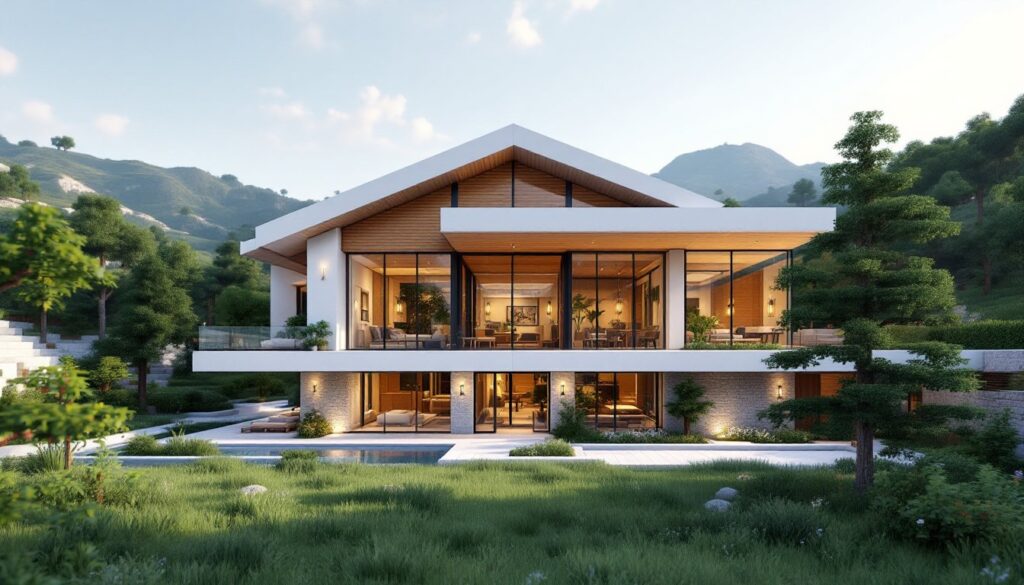
Modern Minecraft houses are all about clean lines, open spaces, and premium materials. These builds showcase what’s possible when you prioritize aesthetics over survival practicality.
Glass panels are essential, large window walls, floor-to-ceiling panels, and glass floors create transparency and minimize visual clutter. Pair glass with white concrete, quartz blocks, and light gray concrete for that minimalist vibe. Interiors emphasize open-plan layouts where your crafting station, furnace, and storage blend into the design rather than dominating it. Many modern builders hide functionality: chests behind trap doors, furnaces in wall cutouts, crafting tables integrated into counters.
Luxury additions push further: infinity pools with water flowing off edges, multi-story atriums, helipads on roofs (practical for elytra landing), separate garage structures for vehicles, and extensive gardens with custom trees. Redstone lighting using buttons and doors can automate entry lighting. Some builders add underground basements with staircases connecting to ground level.
Color palette matters enormously, stick to 2-3 primary colors maximum. A house mixing 10 different blocks feels chaotic: one with white, gray, and black feels intentional. Negative space is your friend: empty floor area, blank wall sections, and uncluttered sightlines make luxury homes feel actually luxurious rather than cramped.
Unique Builds: Underwater, Treehouses, And Underground Bases
For players tired of traditional homes, unique builds offer a total change in perspective, literally and architecturally.
Underwater bases use glass or tinted glass to create submerged domes or structures. The trick is removing water to create breathable interior spaces using doors (water won’t flow through), sand with the gravitational trick, or sponges to absorb water blocks. A conduit powered with prismarine blocks provides water breathing and visibility enhancement, making underwater bases livable year-round. Build near ocean monuments for dramatic scenery.
Treehouses integrate directly into natural or custom-grown trees, using ladders, vines, and water elevators for vertical movement. Platforms jut out from massive tree trunks: walls wrap around branches rather than replacing them. This style works best with large trees, oak or dark oak, where you’ve got substantial wood to build from. The view is unbeatable, and you’re literally living in the canopy.
Underground bases carved into mountains or ravines feel secretive and defensible. Start with a central circular or square chamber, then branch off into specialized rooms: mining hub, storage vault, enchanting room, brewing station. Hidden entrances using trap doors and covered staircase descents add mystery. The aesthetic depends on stone type, deep slate feels ancient, dripstone creates dramatic formations, tuff looks industrial. How to Build a becomes essential for moving between levels efficiently.
Building Tips For Your Perfect Minecraft Home
Regardless of style, certain principles elevate any build from acceptable to impressive.
Start with a solid outline. Sketch your footprint first using temporary blocks, don’t commit to walls immediately. This lets you test proportions and flow before wasting resources. Add depth using vertical variation. Flat walls are boring: layer in stairs, slabs, fence posts, and trapdoors to create texture. A wall of plain blocks feels dead: alternate materials and heights add visual interest.
Lighting is non-negotiable. Not just for aesthetics, mobs spawn in darkness, ruining your shelter. Use torches, lanterns, glowstone, or soul lanterns strategically. Hang lanterns from chains for elegant ambient lighting. Consider your light sources matching your theme (medieval torches, modern recessed lighting).
Plan storage early. Nothing kills a beautiful interior like a chest explosion. Use item frames and signs to label chest categories, build dedicated storage rooms, or organize chests by crafting material type. 30+ Minecraft Kitchen Ideas to Transform Your Build in 2026 shows how functional spaces can still look intentional.
Expand vertically. Basements add massive usable space without expanding your footprint. Attics create storage or secondary living areas. Multi-story houses feel grander than sprawling single-level structures. When designing a Minecraft seeds adventure across different biomes, consider how your house layout handles elevation changes, Floating Island Minecraft: The Ultimate 2026 Guide shows how creative builders use terrain. Choose your biome intentionally. Woodland Mansion Minecraft: Complete 2026 Guide demonstrates how setting shapes possibilities.
Color and material consistency matter. Stick to a 3-block palette maximum for your main walls, mixing too many textures feels chaotic. Accent colors (lanterns, flowers, decorative elements) add personality without overwhelming the design. Test materials in creative mode before committing resources in survival.
Conclusion
Minecraft house building spans an enormous spectrum, from a Day 1 survival box to a sprawling themed estate that took weeks to design. Every style serves a purpose: starters prioritize function, farmhouses blend aesthetics with food production, medieval builds create atmosphere, modern homes push design limits, and unique structures redefine what’s possible.
The best part? You’re never locked into one style. Many veteran players maintain multiple bases across their world, each serving a specific function and visual theme. Start simple, learn the fundamentals of depth and lighting, then experiment with more ambitious designs. The learning curve exists, but the creative payoff makes every block placed worth it.