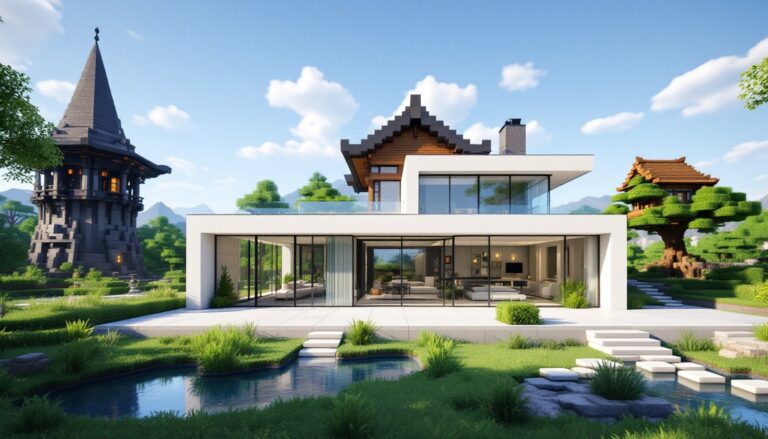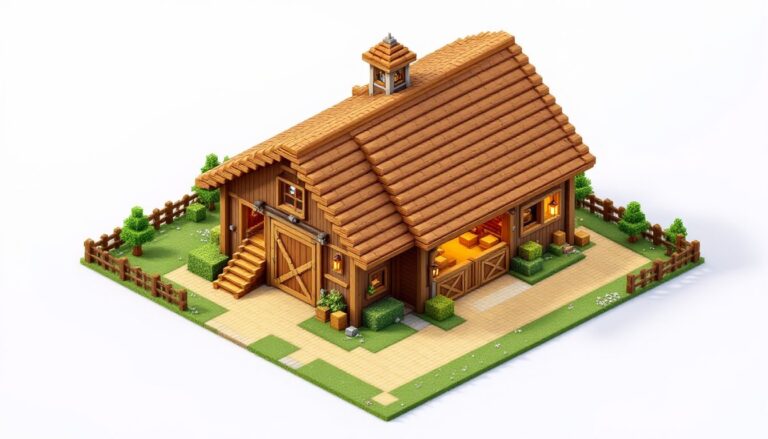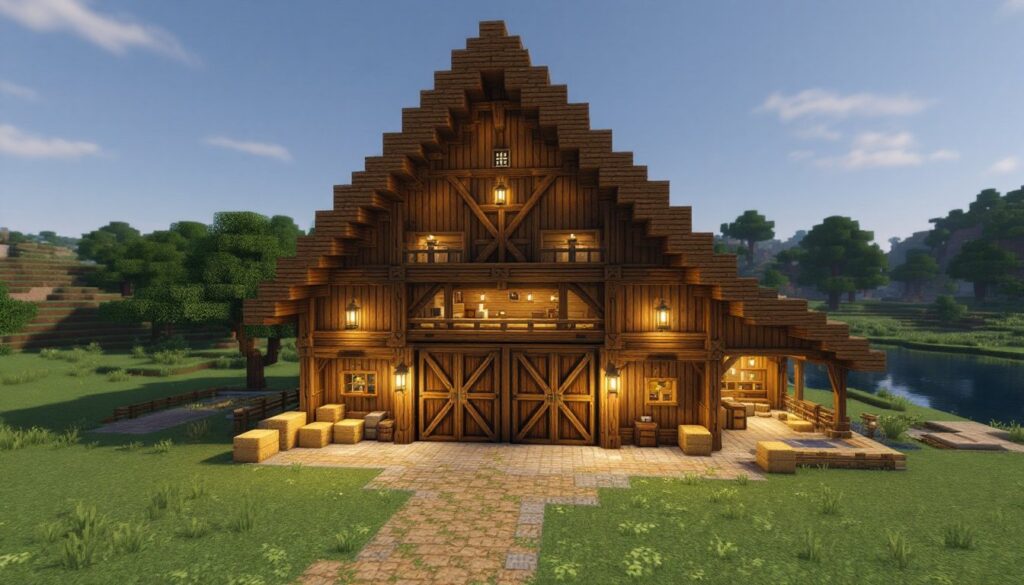
Building a barn in Minecraft is one of the most rewarding projects you can tackle, whether you’re running a survival world or just want to add some rustic charm to your creative build. A well-designed barn serves as both functional storage and an aesthetic anchor for your base, giving your world a lived-in feel that generic rectangles never will. This guide walks you through everything from location scouting to stocking your barn with animals and supplies, covering design techniques that work across all versions and platforms. By the end, you’ll have the knowledge to construct a barn that’s both practical and visually impressive.
Table of Contents
ToggleKey Takeaways
- A barn on Minecraft serves as both a functional storage hub and aesthetic centerpiece that ties your base together, making it essential for organized animal farming and resource management.
- Optimal barn placement requires flat terrain near water, positioned 40-60 blocks from your main base to maintain organization while staying connected to your agricultural hub.
- Use dark oak and oak wood as core materials, with a classic peaked roof design (8-9 blocks tall) and strategic openings like large double doors to create both functionality and authentic visual appeal.
- Divide interior space into organized sections with separate pens for livestock, egg layers, and storage, using fence gates and proper lighting to prevent mob spawning and lag.
- Decorative details like weathered textures, lanterns, hay bales, and farmland plots transform a basic structure into an immersive, lived-in space that enhances your entire Minecraft world.
Why Build a Barn in Your Minecraft World
A barn isn’t just a building, it’s a centerpiece that ties your base together. In survival mode, it gives you a dedicated space for animal farming, which is essential for food production and breeding programs. Functionally, barns handle livestock management, preventing mobs from overrunning your base while creating an organized system for gathering resources like wool, leather, and eggs.
Beyond survival mechanics, a barn adds real character to your world. The open beams, weathered textures, and stacked materials create visual depth that transforms a flat landscape into something memorable. Medieval house builds and Minecraft farms all benefit from a central barn structure, it becomes the logical hub around which everything else develops. Whether you’re going for rustic realism or fantasy aesthetics, a barn provides the foundation for entire compound designs.
Choosing Your Barn Location and Gathering Materials
Best Locations for Barn Building
Location makes or breaks your barn design. You want flat or gently sloping terrain so you’re not digging out massive holes or building awkward stilts. Proximity to water is crucial, animals need hydration, crops need water blocks, and you’ll want easy access for fishing. Biome choice matters too: plains biomes offer the flattest terrain, while forest areas give you immediate wood access. Avoid placing barns directly next to cliffs or caves that could spawn hostile mobs inside your animal enclosures.
Consider proximity to your main base but with enough separation to keep things organized. A barn 40-60 blocks away feels intentional rather than cramped. If you’re building Minecraft farms alongside your barn, position them nearby so your agricultural hub stays cohesive.
Essential Materials and Resources
Core building blocks for a traditional barn include oak wood and dark oak wood for a rustic frame, oak or spruce planks for walls, and dark oak stairs for detailing. Roofing typically uses dark oak stairs or oak stairs for the classic peaked look, with dark oak logs creating the structural framework. Decorative elements like hay bales, lanterns, and wooden fences add authenticity.
For functional elements, grab fence gates, lead, and name tags if you’re housing animals. A Minecraft barn benefits from solid organization, so stock chests, barrels, and hoppers for storage infrastructure. Don’t skip lighting, lanterns and soul lanterns prevent mob spawns while looking intentional rather than just functional.
Gather extras like bone meal for farming adjacent areas, and consider composters if you’re running a full operation. The material list grows based on your barn’s scale, but these essentials form a solid foundation.
Building Your Barn Foundation and Walls
Start by laying out your barn’s footprint. A classic barn works well at 15×10 blocks for a medium survival base, though medieval house designs might go larger. Mark the perimeter with temporary blocks so you can visualize proportions before committing.
For the foundation, use dark oak logs as corner supports, set one block into the ground for stability. Connect them with oak planks or dark oak planks laid horizontally, creating visual lines that guide the eye. Leave gaps at regular intervals, every 4-5 blocks, for fence posts, which break up the monotony and add structural realism.
Walls typically feature alternating dark oak logs with oak plank panels between them. This pattern looks authentic and creates natural rhythm. If you want more detail, offset rows slightly so walls read as layered rather than flat. For Minecraft barn authenticity, avoid perfect symmetry in plank placement, slight irregularities feel crafted rather than generated. Incorporate trapdoors in the lower wall sections to simulate ventilation and break up solid expanses.
Height matters: a standard barn sits around 5-6 blocks tall to the eaves, with the peak reaching 8-9 blocks. This proportions well and creates interior headroom without looking cartoonishly tall. Leave openings, large double doors (4 blocks wide, 3 tall) on one side for animal access, smaller single doors on the opposite end. These openings make your barn feel functional rather than like a fortress.
Adding Roofs and Decorative Details
The roof defines your barn’s character. The classic peaked roof uses dark oak stairs angled inward from both sides, meeting at a central ridge. Start with dark oak logs as the ridge beam, place them down the center peak line. From there, layer dark oak stairs descending toward the edges, alternating direction so they form a V-shape.
For overhang, extend the stair pattern 2-3 blocks beyond your wall edges on all sides. This detail looks intentional and provides visual definition. You can break up roof monotony by mixing in oak stairs or creating pattern variations with different orientations.
Decorative elements transform a structure into a place. Add lanterns hanging from the eaves using chains or iron bars for a period-appropriate feel. Place hay bales stacked near the walls or in corners, they suggest stored feed and add color contrast. Wooden trapdoors propped open create shelving aesthetics on interior walls. A farmland plot with crops adjacent to the barn reinforces the agricultural purpose and connects to broader Minecraft farms.
Consider weathering details: use cobblestone or mossy cobblestone for patches suggesting age, place dirt or soul sand in specific spots for puddles or muddy areas. These touches transform a clean build into something that feels genuinely lived-in.
Populating Your Barn With Animals and Storage
Interior layout determines whether your barn functions well or becomes a chaotic mob pit. Divide the space into sections: one area for livestock (cows, sheep, pigs), another for egg layers (chickens), and a dedicated storage zone with chests and barrels. Use fence gates to create separate pens, preventing animals from clustering in dangerous numbers that cause lag.
For breeding efficiency, place hoppers below composters connected to barrels, automating crop storage if you want that infrastructure. A barn on minecraft thrives when storage reflects your actual resource flow, don’t just scatter chests randomly. Organize by material type: one chest for wood products, another for animal drops like leather and wool.
Animal management is simpler with name tags and leads. Name your breeding pairs so they don’t despawn, and use leads to move animals into pens without chasing them across the map. Keep at least two of each animal type to establish breeding pairs, and ensure adequate grass blocks for them to graze, this affects breeding mechanics and overall barn atmosphere.
Lighting inside should avoid dark corners that spawn hostiles. Use lanterns on walls (they won’t light animals on fire) and ensure floor-level light where animals stand. Consider a roof vent using trapdoors for visual airflow without blocking the protected interior space.
Final touch: add a few decorative animals that aren’t part of your functional farm, a horse, donkey, or mule tied near the entrance suggests a working operation. Some players place a bed in a small loft corner for emergency respawns during night raids. Resources like Minecraft Iron Farm: Unlock guides help streamline your resource generation nearby, and design inspiration from best barn designs can elevate your specific aesthetic choices. Creative Minecraft farms around your barn benefit from similar organizational principles, compartmentalized, labeled, and visually distinct.